

Lab Grown vs Natural Diamonds | What Buyers Should Know
Lab Grown vs Natural Diamonds: What’s the Difference?
If you’ve recently started shopping for an engagement ring, you’ve probably noticed that many jewelers now offer both natural diamonds and lab grown diamonds. While they may look nearly identical, there are important differences between the two.
Understanding how each type of diamond is created — and what that means for value, rarity, and price can help buyers make an informed decision.
At Romans Jewelry, we frequently help customers compare both options when selecting an engagement ring.
What Is a Natural Diamond?
Natural diamonds are formed deep within the Earth under extreme heat and pressure. This process occurs naturally over billions of years as carbon crystallizes beneath the Earth’s surface.
Volcanic activity eventually brings these diamonds closer to the surface where they can be mined.
Because natural diamonds are created by geological processes over such long periods of time, they are considered rare and have traditionally been the standard choice for engagement rings.
Each natural diamond has its own characteristics, including inclusions and growth patterns that developed during formation.
What Is a Lab Grown Diamond?
Lab grown diamonds are real diamonds created in controlled laboratory environments using advanced technology.
These diamonds are produced by recreating the same conditions found deep within the Earth. The two most common methods are:
• HPHT (High Pressure High Temperature)
• CVD (Chemical Vapor Deposition)
The result is a diamond that has the same chemical composition and crystal structure as a natural diamond.
Even professional gemologists typically require specialized equipment to distinguish between natural and laboratory-grown stones.
Are Lab Diamonds Real Diamonds?
Yes. Lab grown diamonds are considered real diamonds because they are made of pure crystallized carbon, just like natural diamonds.
They are not the same as diamond simulants such as cubic zirconia or moissanite.
However, they are created in a laboratory rather than formed naturally underground.
Price Differences
One of the most noticeable differences between natural and lab grown diamonds is price.
Lab grown diamonds are typically 30% to 70% less expensive than comparable natural diamonds.
This price difference allows buyers to choose a larger diamond or a higher clarity grade while staying within the same budget.
Natural diamonds, on the other hand, often maintain stronger resale value due to their rarity and natural origin.
Appearance and Quality
To the naked eye, natural and lab grown diamonds look virtually identical.
Both types are graded using the same 4Cs:
• Cut
• Color
• Clarity
• Carat weight
Because lab grown diamonds are created in controlled environments, they often have fewer inclusions compared to natural diamonds.
Long-Term Value Considerations
For some buyers, the decision between lab grown and natural diamonds comes down to long-term value.
Natural diamonds have historically maintained stronger market demand due to their rarity.
Lab grown diamonds, while beautiful and genuine, are manufactured in a way that allows supply to increase over time.
Because of this, resale value differs between the two options.
Choosing the Right Diamond
There isn’t a single correct choice between lab grown and natural diamonds. The right decision depends on personal priorities, budget, and what matters most to the buyer.
Some people prefer the natural origin and rarity of mined diamonds. Others appreciate the affordability and larger size options available with lab grown stones.
The best approach is to compare both in person and decide which feels right.
Engagement Rings at Romans Jewelry
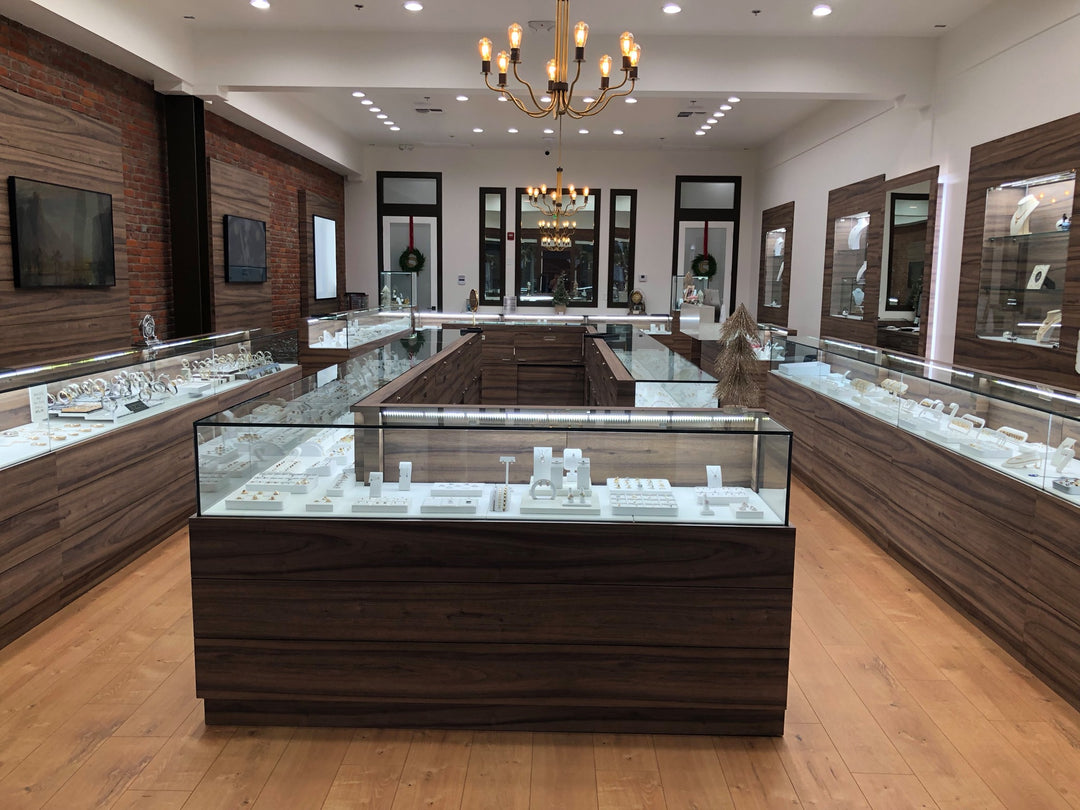
At Romans Jewelry, we offer both natural and lab grown diamond engagement rings and are happy to walk customers through the differences.
Seeing diamonds in person often helps buyers better understand the characteristics that matter most to them.
If you're beginning the search for an engagement ring, our team is always available to answer questions and help you explore your options.
Visit Romans Jewelry
Romans Jewelry – Folsom
723 Sutter Street
Folsom, CA 95630
(916) 351-0220
Romans Jewelry – Placerville
375 Main Street
Placerville, CA 95667
(530) 622-3787



Leave a comment